FRAC-IN Demonstration at the Duchcov Site
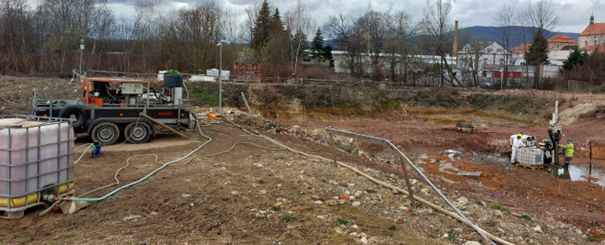
Within the LIFE FRAC-IN project, a pilot test was carried out at the former TDV Duchcov site in the Czech Republic to further optimise the FRAC-IN technology under low-permeability clay conditions contaminated with chlorinated ethenes (ClE).
Site background
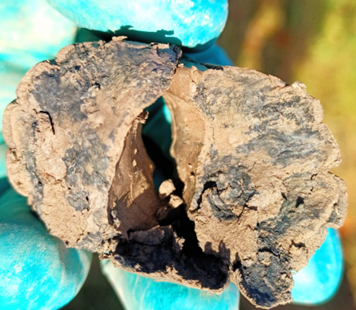
Previous remediation (2021–2023) using pneumatic fracturing and injections of microscale zero-valent iron (mZVI) and glycerol significantly reduced ClE concentrations and successfully initiated long-term anaerobic reductive dechlorination. Monitoring confirmed a strong decrease in chlorine number and the development of microbial communities capable of complete degradation to ethene.
Pilot scope
The LIFE pilot phase focused on fine-tuning redox conditions by injecting low concentrations of calcium peroxide (CaO₂) via FRAC-IN to stimulate complementary aerobic degradation without disrupting ongoing anaerobic processes.
Pilot findings
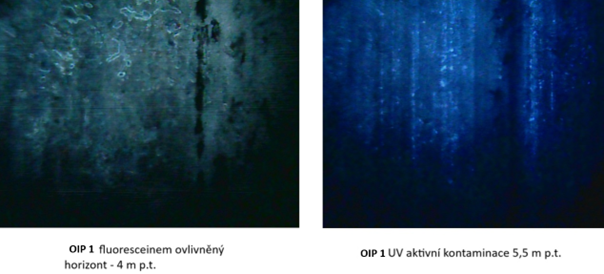
Post-injection monitoring showed a moderate increase in dissolved oxygen and redox potential, while anaerobic activity remained stable. At the same time, aerobic degradation markers increased, confirming the successful combination of anaerobic and aerobic pathways even in very low-permeability soils.
The Duchcov demonstration confirmed that FRAC-IN enables effective amendment distribution in clay-rich environments and supports long-term, optimised in situ remediation of chlorinated solvents.